Important: This article provides general dental education. It is not a diagnosis and cannot determine which treatment is appropriate for you.
Why wisdom teeth can become uncomfortable
Wisdom teeth are the last molars to develop. Some erupt normally, while others may be partly covered by gum, angled, impacted, difficult to clean, or associated with inflammation around the surrounding tissues.
Pain near the back of the mouth does not automatically mean a wisdom tooth needs to be removed. A dental examination is needed to identify the cause.
Symptoms worth discussing with a dentist
Arrange an assessment if symptoms are persistent, recurrent or getting worse.
- Pain or tenderness behind the last molar
- Swollen or inflamed gum around a partly erupted tooth
- Difficulty cleaning the area
- Unpleasant taste or recurrent food trapping
- Jaw discomfort or difficulty opening the mouth normally
- Swelling that is increasing or associated with fever
How a dentist decides what to do
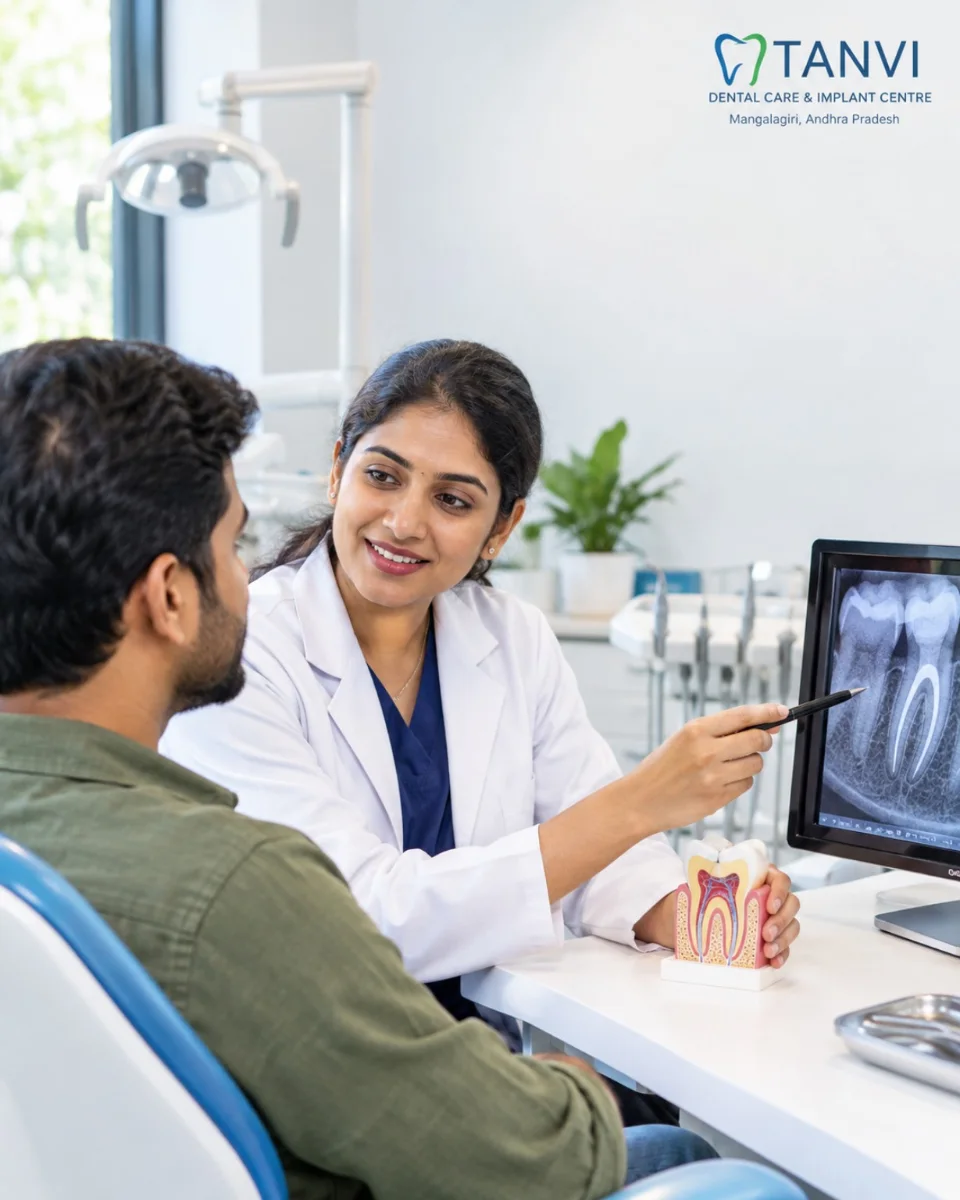
The dentist considers your symptoms, the condition and position of the tooth, nearby teeth and gums, and any relevant imaging. Management may range from monitoring and hygiene advice to treatment of inflammation or removal when clinically appropriate.
The right option depends on the individual case, so treatment should not be chosen from symptoms alone.
Related patient information
Read the related treatment guide
Explore the clinic's treatment information, including the reminder that suitability is confirmed after clinical assessment.